The Fitness Factory of Charlotte
The Story Behind The Fitness Factory of Charlotte The Fitness Factory of Charlotte opened in 2001 and has been run […]
A barbell gym is a strength training facility built around the barbell as its main tool. Members squat, press, pull, and lift on power racks, benches, and platforms. Barbell gyms across the USA serve powerlifters, Olympic weightlifters, and general strength trainees. Equipment depth matters more here than amenities. Expect several squat racks, competition bars, and plates rated for heavy loading. Most facilities allow chalk and permit controlled dropping on platforms. Staff often coach technique instead of selling add-on packages. Floors stay less crowded than at large commercial chains, so rack waits shrink. Some barbell gyms run 24 hour keycard access. Others schedule coached strength sessions in fixed blocks. Beginners fit at most of these gyms, though a few limit membership to experienced lifters. Browse the verified barbell gym listings below, then filter by city, amenity, and training focus.
A barbell gym prioritizes barbell training over machines, cardio floors, and group fitness studios. The layout reflects that choice. Racks, benches, and platforms occupy most of the floor space. Machines appear in small numbers, or support accessory work only.
Traditional health clubs spread their budget across pools, saunas, cardio banks, and studio rooms. Barbell gyms concentrate spending on bars, plates, racks, and flooring. That trade shows up in daily training. You gain rack availability and equipment quality, and you give up amenities.
Top cities for Barbell Gyms:
When evaluating Barbell Gyms, look for certified coaches, well-maintained equipment, a welcoming community, clear class schedules, and transparent pricing with no hidden fees.
Membership pricing at Barbell Gyms varies by city, facility size, equipment, coaching, and access hours. Ask each gym about initiation fees, contract length, and cancellation terms before you sign.
Use the comparison table to weigh the top-rated Barbell Gyms. Filter by city, check verified reviews, and view full details including photos and hours before committing.
| # | Gym | Rating | Price / mo | Type | Hours | Verified | |
|---|---|---|---|---|---|---|---|
| 1 | Oak and Iron Fitness North Carolina |
$169/mo | Barbell GymBoutique Studio+1 |
Open | — | View | |
| 2 | Studio Brick North Carolina |
$150/mo | Barbell GymPersonal Training Studio+1 |
Open | — | View | |
| 3 | The Strength Feed North Carolina |
$185/mo | Barbell GymPersonal Training Studio |
Open | — | View | |
| 4 | SERVE Strength & Conditioning North Carolina |
$185/mo | Barbell GymFunctional Fitness |
Open | — | View | |
| 5 | Oak City CrossFit – Gym in Raleigh North Carolina |
$165/mo | Barbell GymCrossFit Box+1 |
— | — | View | |
| 6 | Charlotte Strength Charlotte, North Carolina |
$99/mo | Barbell GymFunctional Fitness+1 |
Open | — | View | |
| 7 | Strength and Wellness Collective of Charlotte Charlotte, North Carolina |
$135/mo | Barbell GymPersonal Training Studio |
Open | — | View | |
| 8 | Oro Athletic Charlotte, North Carolina |
$89/mo | Barbell GymFunctional Fitness+1 |
Open | — | View | |
| 9 | Anu Gym Charlotte, North Carolina |
Contact | Barbell GymFull-Service Gym |
24/7 | — | View | |
| 10 | The Workout Spot Florida |
Contact | Barbell GymBoutique Studio+6 |
Open | — | View |
The Story Behind The Fitness Factory of Charlotte The Fitness Factory of Charlotte opened in 2001 and has been run […]
CORE24: A Designer Gym Built for Lifters in Wilmore The phrase CORE24 uses for itself is a designer gym for […]
Strength and Wellness Collective: Charlotte’s First Lagree-Certified Studio Lagree is not reformer Pilates, and the distinction matters before booking anything. […]
Oro Athletic in NoDa: A Gym That Refuses to Pick a Lane Oro means gold in Spanish, and co-owner Nick […]
The Supplement Company That Built a Gym Across From the Panthers Stadium Bucked Up is not a fitness brand that […]
The Charlotte Gym That Hosts Its Own Sanctioned Powerlifting Meets Most gyms have members who compete. This one runs the […]
Megaflex Gym: Independent Weight Training in Charlotte’s University Area No class timetable, no signature format, no corporate parent. Megaflex Gym […]
Trifecta Athletics: Three Training Businesses Under One Cotswold Roof The name describes the business model exactly. Trifecta Athletics combines adult […]
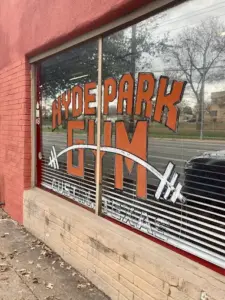
Hyde Park Gym is Austin’s oldest barbell gym, functioning as a vibrant time capsule of grit, heritage, and “Old Austin” […]
Equipment varies between facilities, but strong barbell gyms share a recognizable core. Check these categories during a tour or trial visit.
Serious facilities stock several bar types, because bar design changes how a lift feels under load. Common options include:
Standard men's barbells weigh 20 kg (44 lb) and measure roughly 220 cm. Women's barbells weigh 15 kg (33 lb) and measure roughly 201 cm.
Calibrated plates matter most to lifters preparing for meets, where every attempt gets recorded to the kilogram.
Rack count reveals more about a gym than square footage does. Count the racks, then visit at your usual training hour.
The term "barbell gym" covers several training styles, and the differences shape equipment and coaching.
Plenty of facilities support all three. Ask which style the coaching staff actually programs before you sign anything.
| Feature | Barbell gym | Traditional commercial gym |
|---|---|---|
| Training focus | Barbell strength and competition lifts | General fitness, cardio, and classes |
| Racks and platforms | Multiple racks, dedicated platforms | Few racks, platforms uncommon |
| Plate selection | Iron, bumper, sometimes calibrated | Mostly rubber coated or standard iron |
| Chalk policy | Usually permitted | Often restricted or banned |
| Dropping loaded bars | Allowed on platforms at many gyms | Typically prohibited |
| Coaching | Strength coaches, frequently competitors | Personal trainers, general fitness focus |
| Amenities | Limited by design | Pools, saunas, studios, cardio banks |
| Best suited for | Lifters chasing strength numbers | Members wanting variety and facilities |
Barbell gyms look intimidating from the doorway, though the culture usually treats new lifters well. Expect the following on day one:
Wear flat, stable shoes and clothing you can move in. Bring water. Skip the belt, straps, and knee sleeves until a coach recommends them.
Barbell gyms offer advantages that general fitness clubs struggle to match, particularly for strength goals.
Rack shortages wreck strength programs. Ten racks serving a few hundred members behave nothing like three racks serving thousands. Barbell gyms design their floor plans around the equipment people actually queue for. A 6 p.m. session therefore stays on schedule, and your rest periods stay honest instead of stretching out while you wait.
Chalk keeps your grip secure on maximal pulls. Controlled dropping protects lifters during failed cleans and jerks. Many barbell gyms permit both, while commercial chains restrict them. Filter listings by chalk allowed and squat racks to confirm before visiting.
Coaches at barbell gyms often compete in powerlifting or weightlifting themselves. That background shows in technique cues, attempt selection, and meet preparation. Small group coaching also costs less per session than one-to-one training at a full service club.
Training beside people who track their numbers changes your habits. Attendance improves. Warmups get taken seriously. Spotters appear without anyone asking. Many lifters credit the room, rather than the program, for their progress.
Barbell gyms usually run structured training cycles instead of random daily workouts. Expect percentage based blocks, planned deload weeks, and scheduled max attempts. Progress becomes measurable, so you can adjust variables rather than guess. That structure suits anyone building toward a competition, a testing week, or a long term strength target. Coaches also adjust the plan when work, sleep, or injury disrupts a block. That flexibility keeps training realistic across a full year.
A barbell gym is a strength training facility built around barbell lifts rather than machines and cardio equipment. Squat racks, benches, and lifting platforms fill most of the floor. Members train squats, presses, deadlifts, and often the Olympic lifts. Powerlifters, weightlifters, and general strength trainees all use these facilities. Amenities stay minimal while equipment quality stays high.
Barbell gyms concentrate their budget on racks, bars, plates, and platforms. Regular commercial gyms spread spending across cardio banks, machines, studios, pools, and saunas. The practical difference shows at peak hours, when barbell gyms rarely run out of racks. Chalk and controlled dropping also get permitted far more often at barbell gyms.
Most barbell gyms welcome beginners, and many run onboarding sessions covering the main lifts. Coached facilities suit new lifters particularly well, since a coach sets loads and corrects positions from the first session. A small number of gyms restrict membership to experienced or competitive lifters. Check the membership page or call ahead before your first visit.
A barbell gym is a strength facility where racks, benches, and platforms fill most of the floor. Machines and cardio equipment stay minimal by design. Members train squats, bench presses, and deadlifts, and often snatches and cleans. Standard bars weigh 20 kg for men and 15 kg for women. Open gym access commonly costs $55 to $80 per month, well above budget chains and below full service clubs.
Regular chains spend their budget on cardio banks, machines, studios, pools, and saunas. Barbell gyms spend it on racks, bars, plates, and platform flooring. Planet Fitness memberships start at $15 monthly plus a $49 annual fee, with machines and dumbbells as the core equipment. Spider Strength Gym in Raleigh charges $65 monthly and includes 24 hour access. You trade amenities for rack availability and permission to lift heavy.
Most barbell gyms welcome beginners, and coached facilities sell cheap intro packs to prove it. Oak and Iron Fitness in Raleigh offers three coached sessions for $30, or $99 for an unlimited first month. Coached gyms suit new lifters best, since a coach sets loads and corrects positions. Open gym memberships suit people already running a written program. A few facilities restrict membership to experienced lifters, so call before you drive over.
Open gym barbell memberships in the USA typically run $55 to $80 per month. Spider Strength Gym in Raleigh charges $65 monthly, dropping to $55 for students, military, and first responders. Hyde Park Gym in Austin charges $79 monthly, $219 for three months, or $689 per year. Coached strength gyms cost more. Oak and Iron Fitness in Raleigh runs $169 to $209 per four week cycle. Personal training sits higher again: Forge Strength Austin charges $999 for eight sessions.
Day passes at independent barbell gyms usually cost $15 to $30. Hyde Park Gym in Austin charges $15 per visit, or $90 for a ten visit punchcard valid six months. QC Pump House in Charlotte charges $20 for gym access, and $30 with the recovery studio included. Week passes are common too, at $35 from Spider Strength Gym and $39 from Hyde Park Gym. Coached gyms sell intro packs instead of single drop-ins.
A properly equipped barbell gym stocks multiple power or combo racks, competition benches, and at least one platform. Bar selection should cover 29 mm power bars and 28 mm weightlifting bars. Specialty bars matter too, including safety squat, trap, and cambered bars. Plates should include thin iron for heavy pulls plus bumpers for dropped lifts. Competition bumpers measure 450 mm across and sit within 15 grams of stamped weight. Deadlift jacks, pulling blocks, and bands round out the floor.
Chalk is permitted at most barbell gyms, and many supply communal chalk bowls at the platforms. Some facilities require liquid chalk to keep dust off benches and flooring. Commercial chains restrict chalk far more often, which pushes serious lifters toward dedicated strength gyms. Filter TopGymsUSA listings by chalk allowed before visiting. Confirm by phone if you compete and rely on chalk for heavy pulls.
Controlled dropping is allowed on platforms at gyms supporting Olympic weightlifting. Bumper plates and platform flooring exist for exactly that purpose. Dropping outside a platform, or dropping iron plates, is usually prohibited. Strict powerlifting rooms often ban drops entirely, since iron plates and stiff bars damage under impact. Filter for Olympic lifting platforms to find facilities built around dropped snatches and cleans.
Powerlifting gyms train the squat, bench press, and deadlift using combo racks, monolifts, and calibrated iron plates. Olympic weightlifting gyms train the snatch and the clean and jerk using platforms, 450 mm bumper plates, and jerk blocks. The bars differ too. Power bars run 29 mm and stiff, while weightlifting bars run 28 mm and whip under load. Many barbell gyms support both, so ask which discipline the coaching staff actually programs.
Plenty of barbell gyms offer 24 hour keycard access. Spider Strength Gym in Raleigh includes 24 hour access in its $65 monthly membership, with no contract. QC Pump House in Charlotte runs 24/7/365 access on its Gold and Silver tiers. Its Bronze tier covers 5 a.m. to 10 p.m. daily. Coached facilities usually run staffed hours instead, because sessions need a coach present. Check access hours and staffed hours separately.
Age policies differ by facility, and many barbell gyms admit teenagers with parental consent and supervision. USA Weightlifting recognizes a youth division for athletes aged 13 to 17. Coached youth programs are common, since barbell training suits adolescents when loads and technique stay managed. Facilities offering open gym access only tend to set higher minimums. Ask each gym directly about age limits and supervision rules before paying.
Start with the barbell gym listings on this page, then filter by city. Amenity filters matter more than raw distance. Tags for squat racks, lifting platforms, and free weights separate real strength gyms from general fitness clubs. Visit at your usual training hour and count the open racks. Most independent gyms sell a day pass for $15 to $30, so test the floor before committing.